Logistics Career Path in Australia
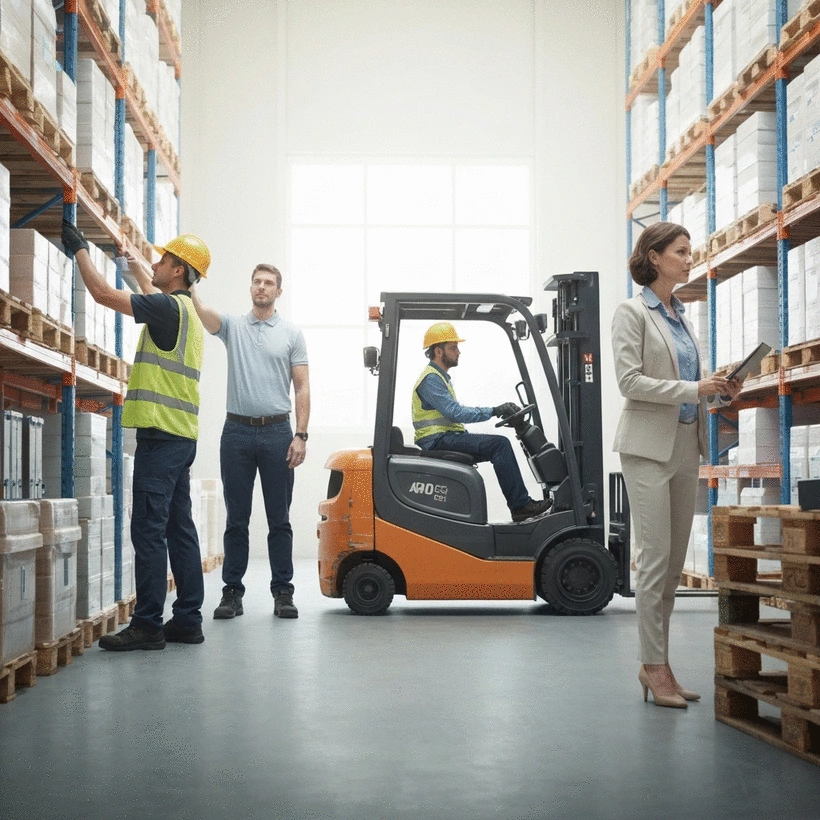
The logistics and transport industry in Australia is thriving, set to grow significantly over the next decade. But what does this mean for your career? With diverse roles and pathways, it's time to explore the opportunities that await you in this dynamic field!
What You Will Learn
- The logistics sector contributes approximately $130 billion annually to the Australian economy.
- Employment opportunities in logistics are projected to grow by 5.7% to 12.2% by 2033.
- Career paths in logistics range from entry-level roles, such as picker/packer, to management positions like warehouse supervisor.
- Continuous training and certifications are essential for career advancement in the logistics industry.
- Salary expectations vary, with entry-level roles starting around $50,000 and supervisory positions earning upwards of $75,000.
- Networking within the logistics community can open doors to unadvertised job opportunities and mentorship.
Key Statistics and Career Progression in Australian Logistics
Below is a visual summary of the Australian logistics industry's economic contribution, projected growth, and typical career progression pathways, highlighting salary ranges and essential transitions. For those specifically looking for hands-on roles, exploring current warehouse jobs in Australia can provide immediate opportunities to enter this thriving sector.
Understanding the Logistics Career Path in Australia
The logistics and transport industry plays a crucial role in Australia’s economy, contributing around $130 billion each year. This sector is not just vital; it's also projected to grow significantly, with employment opportunities expected to increase by 5.7% to 12.2% by 2033. This growth means more jobs, making this an exciting time for anyone looking to enter or progress in the logistics field!
Logistics is essential for keeping our supply chains running smoothly, especially as we see an increase in demand for goods and services. With the rise of e-commerce and a focus on efficient distribution, there has never been a better time to dive into this industry. Are you ready to explore your options?
Overview of the Logistics and Transport Industry
- Significant contribution of logistics to the national economy
- Projected growth rate for employment opportunities
- Importance of logistics in the context of e-commerce and supply chain management
Understanding the landscape of logistics is crucial for aspiring professionals. The industry encompasses various sectors, such as warehousing, distribution, and transportation. Each of these areas offers unique opportunities and challenges, presenting an exciting array of career paths to explore.
Key Roles in Logistics: From Entry-Level to Management
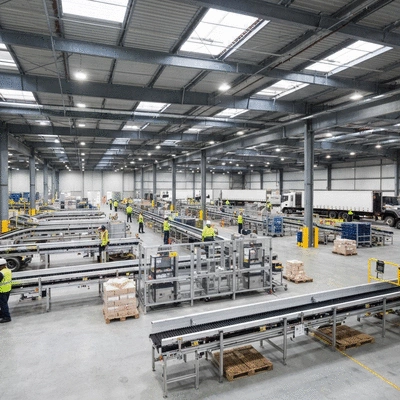
Within the logistics sector, there are numerous roles available, ranging from entry-level positions to management. For example, you might start as a picker or packer, where your responsibilities involve sorting and preparing products for shipment. As you gain experience, you can progress to roles like storeperson or even move into management positions such as warehouse supervisor.
This progression not only offers a clear career path but also allows you to develop a variety of skills that are valuable in the working world. Are you curious about what it takes to get from one position to the next? Let’s take a closer look!
Career Progression: Pathways from Picker to Supervisor
Defining the Role of a Picker/Packer
The role of a picker/packer is often the starting point for many logistics careers. In this position, you'll be responsible for selecting items from the warehouse shelves and packing them securely for shipment. Key skills required include attention to detail, organizational abilities, and physical stamina.
As a picker, you’ll also need to be comfortable using technology, such as handheld scanning devices. This role is an excellent way to gain firsthand experience with the logistics process, setting the stage for future opportunities!
Transitioning to a Storeperson and Beyond
Once you've mastered the picker/packer role, the next step is often becoming a storeperson. In this position, you'll handle inventory control and logistics management tasks. Training for this role typically includes learning about stock management systems and possibly earning a forklift license. For those interested in operating machinery within a warehouse, getting your forklift license in Australia is a significant step towards career advancement.
- Complete necessary training programs
- Gain experience in inventory management
- Consider obtaining licenses for operating machinery

This transition is crucial as it leads you toward more advanced positions like supervisor, where you will oversee a team and ensure that operations run smoothly. Embracing these steps will put you on the fast track to success!
Understanding Salary Ranges and Job Prospects
Salary ranges can vary widely in the logistics field, depending on your role and experience. For instance, a picker might earn around $50,000 annually, whereas a supervisor can command upwards of $75,000. Moreover, salaries can differ based on location—urban areas often offer higher wages compared to rural settings.
Understanding these dynamics will help you make informed decisions about your career path. As you advance, the potential for higher earnings becomes increasingly favorable, especially as you expand your skill set and take on more responsibilities. Are you ready to explore the lucrative options that lie ahead?
Pro Tip
As you navigate your logistics career, consider seeking mentorship from experienced professionals in the field. Not only can they provide valuable insights and advice, but their networks may also open doors to job opportunities that aren't advertised publicly. Networking can be a game-changer in your career progression!
Frequently Asked Questions (FAQs)
What is the economic contribution of the logistics sector in Australia?
The logistics sector contributes approximately $130 billion annually to the Australian economy, playing a crucial role in its overall health.
What is the projected employment growth in Australian logistics?
Employment opportunities in logistics are projected to grow by 5.7% to 12.2% by 2033, indicating a thriving job market.
What are some common entry-level roles in logistics?
Entry-level roles often include positions like picker/packer, responsible for selecting and preparing products for shipment.
How can I advance my career from a picker/packer to a supervisor?
Career progression typically involves moving from a picker/packer to a storeperson, then to a warehouse supervisor. This involves gaining experience, completing necessary training, and potentially obtaining licenses for operating machinery like forklifts.
What are the typical salary expectations in Australian logistics?
Salary expectations vary by role and experience, with picker/packers earning around $50,000 annually, storepersons around $60,000, and supervisors upwards of $75,000+.
Why is networking important in the logistics industry?
Networking is essential for accessing unadvertised job opportunities, mentorship, professional development, and gaining insights into industry trends and best practices.
Charting Your Future in Logistics: A Summary
As we wrap up our discussion on the logistics career path in Australia, it’s crucial to recap some vital points. The logistics and transport industry is not only a cornerstone of our economy, contributing around $130 billion, but it’s also a field filled with diverse opportunities. With projected employment growth of 5.7% to 12.2% by 2033, now is an exciting time to consider a career in logistics.
To navigate your journey effectively, it’s important to understand the key roles available in logistics, from entry-level positions to management. Each step in this pathway offers unique challenges and rewards, and with the right training and certification, you can elevate your career. Remember, investing in your education and staying informed about industry trends will significantly enhance your prospects!
- Logistics is pivotal for the Australian economy.
- Job growth is on the rise, presenting ample opportunities.
- Continuous training is essential for career advancement.
Equipped with this knowledge, you can confidently take your next steps in the logistics sector!
Take the Next Step in Your Logistics Career
Are you ready to embark on or advance your logistics career? I encourage you to start by assessing your current position. Reflect on what skills you possess and what areas you might need to develop. Consider seeking relevant training programs that cater to your career goals. There are fantastic resources available, and at CareerNearby Australia, we’re dedicated to connecting you with local job opportunities that align with your aspirations.
Here are a few actionable steps to help you get started:
- Update your resume and highlight your logistics-related skills.
- Explore training programs available in your area, such as forklift operation or logistics management courses.
- Sign up for job alerts on platforms like CareerNearby Australia to receive notifications for local openings.
- Connect with local recruitment agencies that specialize in logistics.
Don't hesitate to take the leap and explore the exciting job opportunities waiting for you in logistics! For further information and training programs available in Australia, feel free to reach out to us at CareerNearby Australia.
Networking and Community in Logistics
In any career, especially in logistics, building a strong network is essential for growth and development. Engaging with logistics networking organizations and online communities can open doors to new opportunities and provide invaluable insights into the industry. Whether you're seeking mentorship, advice, or job leads, connecting with fellow professionals can make a significant difference in your career.
Here are some benefits of networking in logistics:
- Access to job openings that may not be advertised publicly.
- Opportunities for mentorship and professional development.
- Increased knowledge of industry trends and best practices.
- Connections to potential collaborators and partners.
Don’t underestimate the power of community! Actively participating in groups, forums, and events can foster relationships that may lead to your next big career move. Join us at CareerNearby Australia as we work together to empower individuals in the logistics sector! If you need assistance finding top agencies in the field, check out our guide on top recruitment agencies for logistics.
Recap of Key Points
Here is a quick recap of the important points discussed in the article:
- The logistics and transport industry is crucial to Australia's economy, contributing around $130 billion annually.
- Employment opportunities in logistics are projected to grow by 5.7% to 12.2% by 2033.
- Career progression is available from entry-level roles such as picker/packer to management positions like warehouse supervisor.
- Continuous training and certification are vital for advancing in the logistics field.
- Networking within the logistics community can provide valuable job leads and professional development opportunities.