Getting Your Forklift Licence in Australia
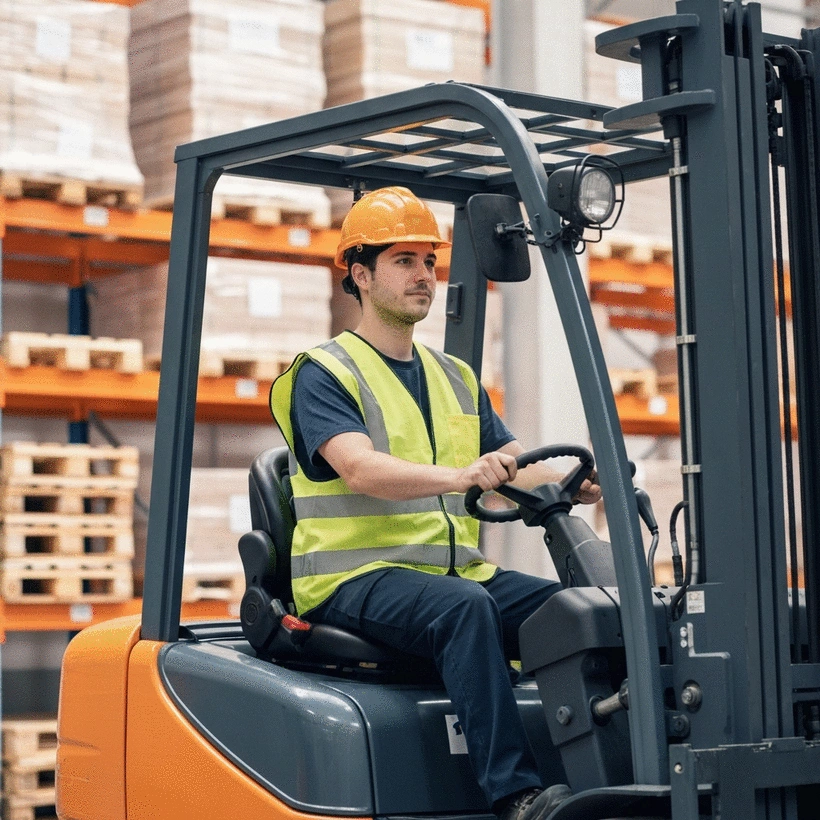
Are you ready to unlock new career opportunities in logistics? A forklift license is more than just a piece of paper—it's your ticket to a thriving job market!
What You Will Learn
- The forklift license enhances your employability in the logistics sector, opening up a range of job opportunities.
- Compliance with safety standards is essential for preventing workplace accidents and ensuring a safe environment.
- Forklift operators are responsible for conducting pre-operational checks and following safety protocols.
- Understanding the costs and duration of training can help you plan your path to obtaining a forklift license effectively.
- Evaluating training providers based on reputation and course offerings is crucial for a successful training experience.
- Career paths available after obtaining a forklift license include Warehouse Operative, Logistics Coordinator, and more.
Key Aspects of Forklift License Acquisition in Australia
This visual highlights the essential timeline, costs, and benefits associated with obtaining a forklift license, crucial for career advancement in logistics. If you're exploring various roles in this dynamic sector, understanding the requirements for specialized equipment like forklifts is a significant advantage. For a broader view of the industry, you might also be interested in exploring current warehouse jobs in Australia.
Forklift License At a Glance
A forklift license significantly boosts job prospects and ensures compliance with safety standards in the logistics sector.
Training Duration
Typically completed in 1 to 5 days, covering both theoretical and practical assessments.
Estimated Costs
Ranges between $500 and $1,500, including training and assessments.
Training Options
- Online: Flexible, self-paced, often more affordable.
- In-Person: Hands-on, immediate feedback, networking.
Career Paths
- Warehouse Operative
- Logistics Coordinator
- Transport Manager
- Supply Chain Analyst
Understanding the Forklift License for Logistics Jobs in Australia
If you're considering a career in logistics, understanding the forklift license requirements is essential. Forklifts are vital in warehouses and distribution centers, helping to streamline operations and manage inventory. But why is holding a valid forklift license so important in this industry?
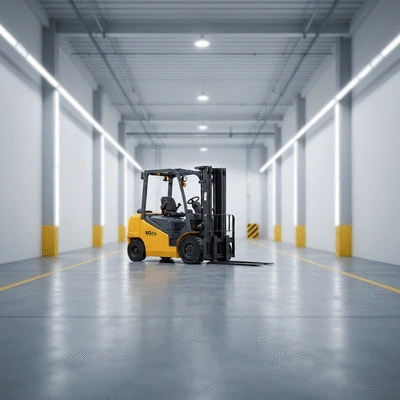
Having a forklift license not only enhances your employability but also ensures that you operate machinery safely and effectively. In Australia, the demand for skilled forklift operators is high, especially in sectors like warehousing, logistics, and retail. So let's dive into why getting this license can be a game changer for your career!
Importance of a Forklift License in the Logistics Industry
- Improves job prospects and opportunities in the logistics sector.
- Ensures compliance with safety standards and regulations.
- Enhances operational efficiency and reduces workplace accidents.
In the fast-paced world of logistics, having a forklift license demonstrates to employers that you are qualified and competent. It sets you apart from other candidates who may not have the necessary certification. Moreover, a forklift license signifies a commitment to safety, which is crucial in environments where heavy machinery is in use. This commitment is similar to the dedication seen in other crucial sectors, such as those pursuing entry-level aged care jobs, where proper training and certification are paramount.
Who Needs a Forklift License?
Anyone who plans to operate a forklift in Australia must hold a valid forklift license. This includes individuals working in various settings, such as:
- Warehouses
- Distribution centers
- Manufacturing facilities
- Construction sites
- Retail environments
It's not just about operating a forklift; it's about understanding the responsibilities that come with the role. If you're eyeing a position in a logistics company, having a forklift license is a crucial step toward getting your foot in the door.
Forklift Operator Responsibilities and Safety Regulations
As a forklift operator, your responsibilities extend beyond simply driving the machine. You must ensure that you:
- Conduct pre-operational checks on the forklift.
- Follow safety protocols to prevent accidents.
- Load and unload materials safely.
- Communicate effectively with team members.
Safety regulations in Australia are strict to protect workers in the logistics industry. Adhering to these regulations helps create a safer work environment for everyone. Understanding these responsibilities is crucial, not just for your safety but also for the well-being of your colleagues.
Pro Tip
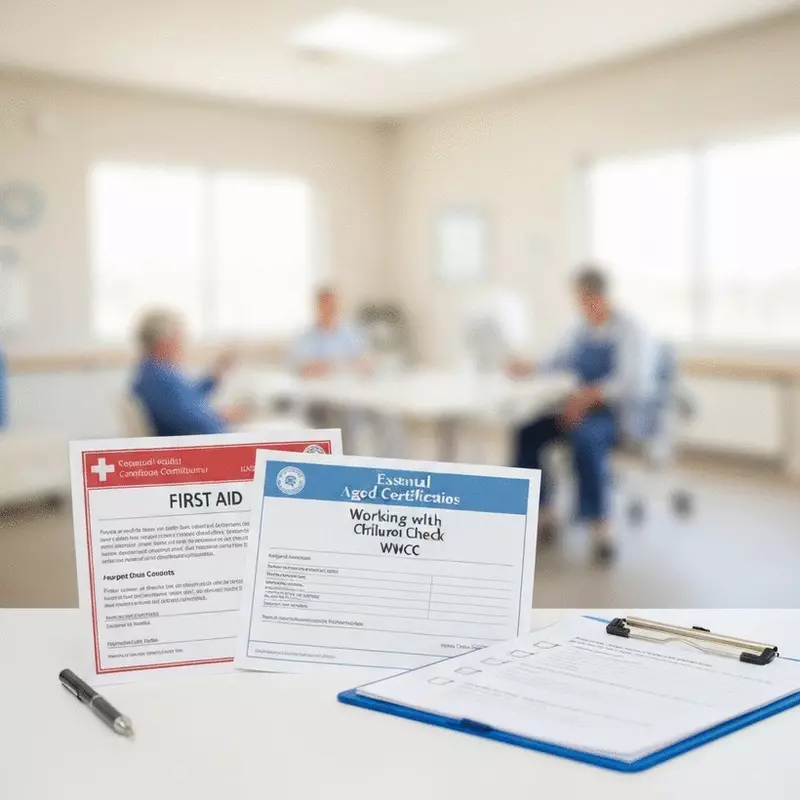
While pursuing your forklift license, consider gaining additional certifications such as First Aid or Safety Management. These qualifications not only enhance your skill set but also make you a more attractive candidate to potential employers in the logistics sector.
Engaging with the Forklift License Process
As you embark on your journey towards obtaining a forklift license, you might have a few questions. Understanding the process can help demystify what’s ahead. At CareerNearby Australia, we believe that being informed is the first step to success! Let’s dive into some common questions that many aspiring forklift operators have.
Common Questions About Forklift Licensing
How Long Does the Training Take?
The duration of forklift training can vary depending on the provider and your availability. Typically, most training courses can be completed in 1 to 5 days! This includes both theoretical learning and practical assessments. It’s important to choose a schedule that fits your lifestyle, so you can make the most of the learning experience.
What Are the Costs Involved?
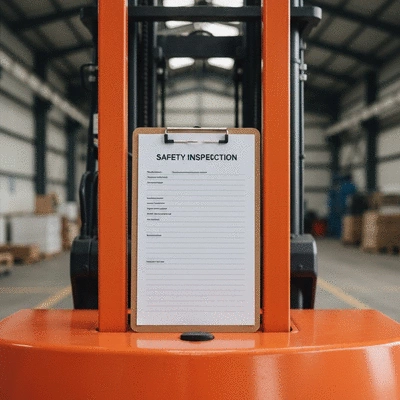
When considering the costs involved, it’s essential to be aware that fees can range widely based on the training provider and location. Generally, you can expect to pay between $500 and $1,500. This usually covers the training, assessments, and, in some cases, the issuance of your license. Remember, investing in your future is always worthwhile!
Understanding Forklift Training Options: Online vs. In-Person
Choosing between online and in-person forklift training can feel overwhelming, but it’s important to consider your learning style. Both options have distinct advantages:
- Online Training: Flexible schedule, self-paced learning, and often more affordable.
- In-Person Training: Hands-on experience, immediate feedback from instructors, and networking opportunities with peers.
Think about what kind of learner you are! If you thrive in a classroom setting, in-person training might be your best bet. But if you appreciate flexibility, online training could suit you perfectly.
Frequently Asked Questions (FAQs)
- Q: Why is a forklift license important for a logistics career?
- A: A forklift license enhances employability, ensures compliance with safety standards, and demonstrates competence in operating essential warehouse machinery, opening up more job opportunities.
- Q: Who needs a forklift license in Australia?
- A: Anyone who plans to operate a forklift in settings such as warehouses, distribution centers, manufacturing facilities, construction sites, and retail environments in Australia must hold a valid forklift license.
- Q: What are the main responsibilities of a forklift operator?
- A: Responsibilities include conducting pre-operational checks, following safety protocols, safely loading and unloading materials, and communicating effectively with team members.
- Q: How long does forklift training typically take and what are the costs?
- A: Training usually takes between 1 to 5 days, covering both theoretical and practical assessments. Costs generally range from $500 to $1,500, including training, assessments, and sometimes license issuance.
- Q: What are the advantages of online versus in-person forklift training?
- A: Online training offers flexibility and self-paced learning, often at a lower cost. In-person training provides hands-on experience, immediate instructor feedback, and networking opportunities.
Taking the Next Steps Towards Your Forklift License
Evaluating Training Providers for Best Fit
Now that you have an understanding of the training process, it’s time to evaluate your options. Look for training providers who not only offer the necessary courses but also have a solid reputation! Here are a few factors to consider:
- Industry certifications and accreditations
- Course reviews from past students
- Availability of both practical and theoretical training
- Support services for job placement after training
Taking the time to research can lead to a better training experience, which can help you feel more confident when you enter the job market!
Encouragement to Start Your Forklift Licensing Journey
I encourage you to take that first step towards your forklift license today! The logistics industry is booming, and with a forklift license, you’ll open up a world of opportunities. Remember, at CareerNearby Australia, we’re here to support you every step of the way. Finding the right job starts with the right qualifications!
Career Development Opportunities in the Transport and Logistics Sector
Once you’ve secured your forklift license, the possibilities are endless! Positions in the transport and logistics sector are continually growing. Here are a few career paths you might explore:
- Warehouse Operative
- Logistics Coordinator
- Transport Manager
- Supply Chain Analyst
Each of these roles plays a vital part in ensuring that goods move efficiently through the supply chain. So, what are you waiting for? Start your journey towards a fulfilling career with a forklift license! You can also broaden your job search to include local retail jobs available now, as many retail environments also utilize forklifts for inventory management.
Summary of the Forklift License Pathway in Australia
In summary, the forklift license pathway in Australia is well-structured, with clear training requirements and a variety of options to suit your needs. Whether you’re looking to enhance your skills for a new job or aiming to advance your career in logistics, getting your forklift license is a crucial step. Let’s navigate this exciting journey together!
Recap of Key Points
Here is a quick recap of the important points discussed in the article:
- A forklift license is crucial for enhancing job prospects in the logistics sector.
- It ensures compliance with safety standards and reduces workplace accidents.
- All individuals operating a forklift in Australia must hold a valid license.
- Forklift operators have responsibilities that include conducting pre-operational checks and following safety protocols.
- Training duration can vary, typically ranging from 1 to 5 days, and costs between $500 and $1,500.
- Consider both online and in-person training options based on your learning style.
- Research training providers for their reputation, course reviews, and job placement support.