Essential Certifications for Aged Care
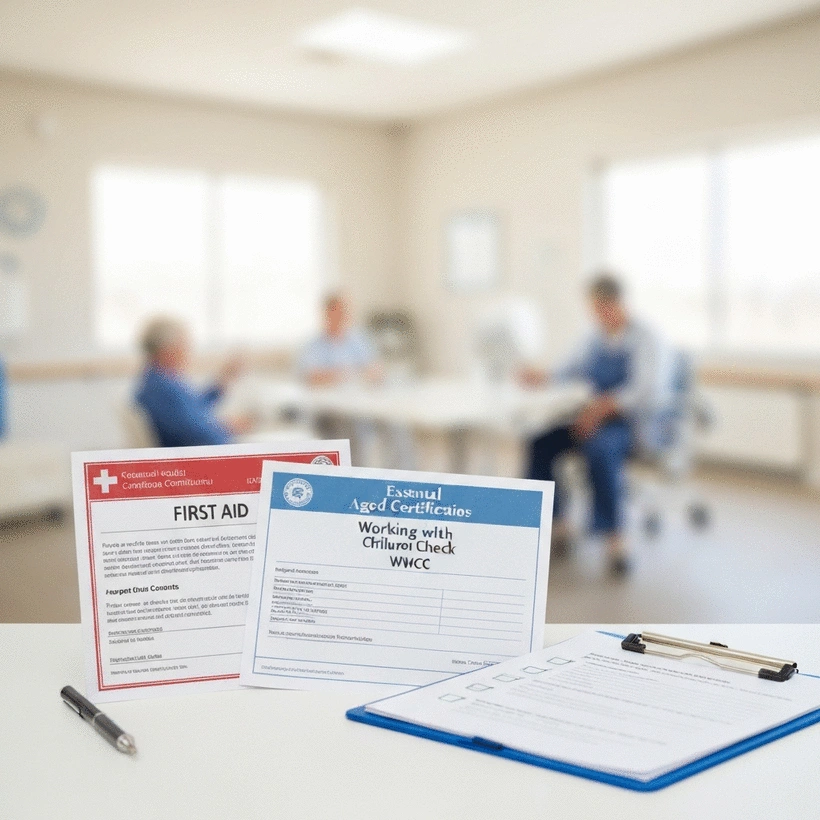
Considering a career in aged care? It’s essential to understand the qualifications that not only open doors but also empower you to make a meaningful difference in the lives of others. Let's delve into what you can gain from this essential guide.
What You Will Learn
- The importance of the Certificate III in Individual Support (Ageing) and how it lays the groundwork for a career in aged care.
- Key additional certifications that enhance your qualifications, including Certificate IV in Ageing Support and First Aid and CPR.
- Why First Aid and CPR skills are critical, and how they prepare you for emergencies in aged care settings.
- Understanding mandatory checks like the Working with Children Check (WWCC) and National Police Check, essential for safeguarding vulnerable populations.
- The necessity of vaccinations in ensuring a safe environment for both aged care workers and clients.
- The role of Mandatory Reporter Training and Child Protection Training in contributing to a culture of safety and respect in aged care.
Essential Aged Care Certifications and Checks
A career in aged care requires foundational certifications and checks to ensure comprehensive support for the elderly community. For those just starting, our entry-level aged care job guide provides valuable insights and helps kickstart your journey.
Certificate III in Individual Support (Ageing)
The foundational certification for person-centered care and dementia support.
- Focuses on individual needs
- Promotes independence & dignity
First Aid & CPR Certification
Essential skills for emergency situations, ensuring preparedness and client safety.
- Critical for emergencies
- Often requires refreshers
Mandatory Checks & Screenings
Ensuring suitability and trustworthiness for working with vulnerable individuals.
- Working with Children Check (WWCC)
- National Police Check
- NDIS Worker Screening (if applicable)
Vaccination & Training Requirements
Protecting both workers and clients through health measures and ethical training.
- Influenza, COVID-19, etc.
- Mandatory Reporter Training
- Child Protection Training
Understanding Aged Care Qualifications: An Overview
When it comes to starting a career in aged care, understanding the required qualifications is crucial. One of the primary qualifications you will encounter is the Certificate III in Individual Support (Ageing). This certification plays a vital role in providing person-centred care and supporting individuals with dementia. It equips you with the skills and knowledge to manage daily activities and engage with clients meaningfully.

This certificate isn’t just a box to check; it’s the foundation of a fulfilling career in aged care. The focus on person-centred care means you’ll learn to tailor your support based on individual needs, promoting independence and dignity for those under your care. Wouldn’t it be rewarding to make such a positive impact?
Key Certifications for Aged Care Roles
- Certificate III in Individual Support (Ageing)
- Certificate IV in Ageing Support
- First Aid and CPR certifications
In addition to the Certificate III, pursuing a Certificate IV in Ageing Support is beneficial for those looking to advance their careers. This qualification prepares you for higher responsibilities and leadership roles within an aged care setting.
Obtaining your First Aid and CPR certifications is equally essential, ensuring that you are prepared for emergencies. These skills are not just a requirement; they provide peace of mind knowing you are equipped to handle unexpected situations. You can also explore aged care jobs in your area to see what specific certifications employers are looking for.
The Importance of First Aid and CPR in Aged Care
First Aid and CPR skills are invaluable for aged care workers. Imagine being in a situation where a client suddenly collapses or faces a medical emergency. Having the confidence to act quickly can save a life! Understanding how to respond in such moments is something every aged care worker should prioritize.

Moreover, there are specific scenarios in aged care where these skills are critical, such as during a fall or an allergic reaction. Knowing how to perform CPR can make all the difference in those tense moments. It’s not just about having the certification; it’s about truly understanding the implications of your skills in real-life situations.
Essential First Aid and CPR Certification for Aged Care Workers
To work effectively in aged care, you’ll need to complete specific certifications for First Aid and CPR. These certifications are often part of the initial training and refreshers are required to maintain your skills. They serve as your toolkit for emergency response training, ensuring you're prepared for anything that comes your way.
Many training providers offer courses specifically tailored for aged care workers, which focus on scenarios you’re likely to encounter in the field. Investing in these certifications enhances your employability and reassures your future employers that you are serious about your responsibilities.
Mandatory Checks and Certifications for Working in Aged Care
Understanding the WWCC: What You Need to Know
As you embark on your aged care journey, one of the first things to understand is the Working with Children Check (WWCC). This check is mandatory for individuals working in roles that involve children, including some aged care positions. The application process can vary by state, so it’s essential to familiarize yourself with the requirements specific to your location.
Obtaining a WWCC is about safeguarding vulnerable populations. It ensures that those who work with children are suitable and trustworthy. If you are considering a role in aged care, make sure this check is on your radar! For more information on similar checks, particularly in related fields, you might find our guide on entry-level childcare jobs nearby helpful, as it also discusses important safety screenings.
National Police Check and NDIS Worker Screening Explained
Besides the WWCC, a National Police Check is often required to work in aged care. This check helps ensure the safety of vulnerable individuals and is a standard part of the hiring process. It’s crucial for employers to know that their staff have a clear background when it comes to criminal history.
Vaccination Requirements for Aged Care Workers
Vaccination is another critical aspect of working in aged care. Due to the nature of the work and the vulnerability of the demographic, certain vaccinations are mandatory. Common vaccines include those for influenza, COVID-19, and other preventable diseases.
The rationale behind these requirements is straightforward: protecting both the workers and the clients. By ensuring that everyone in the aged care facility is vaccinated, we create a safer environment for all parties involved.
Additional Mandatory Reporter and Child Protection Training
The importance of Mandatory Reporter Training and Child Protection Training cannot be overstated in the aged care sector. These trainings ensure that staff understand their responsibilities in reporting any suspected abuse or neglect. It equips you with the knowledge to act appropriately and supports safeguarding the individuals in your care.
By engaging in this training, you are not only complying with regulations but also contributing to a culture of safety and respect within the aged care community. It’s a vital part of your professional development and a commitment to the well-being of those who rely on our support.
Interactive Poll: Your Thoughts on Aged Care Qualifications
As you consider your journey into the aged care sector, we want to hear from you! Which certification do you believe is the most crucial for starting a career in aged care? Select one of the options below:
Summary of Essential Certifications for Aged Care Roles
As we’ve explored throughout this guide, pursuing a career in aged care requires a solid foundation of certifications and checks to ensure you’re prepared to provide the best support for our elderly community. The critical qualifications include:
- Certificate III in Individual Support (Ageing) - This is your starting point, emphasizing person-centred care and dementia support.
- First Aid and CPR Certification - Essential skills for emergency situations that can arise in aged care settings.
- Working with Children Check (WWCC) - Necessary if your role involves working with children or in family-inclusive settings.
- National Police Check - Ensures a safe environment for vulnerable populations.
- Vaccination Requirements - Protecting both workers and residents is paramount in aged care.
By understanding and obtaining these qualifications, you’ll position yourself as a capable and trustworthy candidate in the aged care sector. It's not just about meeting the requirements—it's about being genuinely prepared to make a difference in the lives of those you serve.
Next Steps for Aspiring Aged Care Workers
Now that you have a clearer picture of the qualifications needed, it’s time to take action! Start by exploring training options that suit your schedule and learning style. Whether you prefer in-person classes or online courses, there are many ways to begin your journey in aged care.
- Research local training institutions like TAFE that offer hands-on experience.
- Look into online programs for flexibility in your learning.
- Prepare for mandatory checks, such as the WWCC and National Police Check.
- Invest in your professional development by seeking out additional certifications.
Taking these steps will help you build the confidence and skills needed to thrive in the aged care industry. Remember, every effort you put into your education and training brings you closer to a fulfilling career that truly makes a difference!
Frequently Asked Questions (FAQs)
As you consider your next steps, you might have some questions. Here are a few common ones related to aged care certifications:
- What is the most fundamental qualification for aged care?
The Certificate III in Individual Support (Ageing) is considered the foundational qualification, focusing on person-centred care and dementia support. - Why are First Aid and CPR certifications essential for aged care workers?
These certifications are crucial for equipping workers with the skills to respond effectively and quickly to medical emergencies, ensuring client safety. - What mandatory checks are required to work in aged care?
Key mandatory checks include the Working with Children Check (WWCC) and the National Police Check, both vital for safeguarding vulnerable individuals. - Are vaccinations compulsory for aged care workers?
Yes, certain vaccinations, such as for influenza and COVID-19, are often mandatory to protect both workers and the vulnerable clients in aged care settings. - What is the purpose of Mandatory Reporter Training and Child Protection Training in aged care?
These trainings ensure staff understand their responsibilities in identifying and reporting suspected abuse or neglect, contributing to a safe and respectful environment.
Don’t hesitate to reach out to training providers or mentors for clarification on any specific queries you may have. Being informed is a key part of your journey!
Exploring Skills Recognition and Competency-Based Training
Have you heard of skills recognition? It’s a fantastic way for experienced workers to gain qualifications based on their existing knowledge and expertise. This can be especially beneficial in aged care, where hands-on experience is invaluable.
Competency-based training also allows you to demonstrate your skills in real-world settings, ensuring that you’re not just learning in theory but applying that knowledge effectively. Engaging in these programs can greatly enhance your career opportunities, positioning you for roles with greater responsibility and impact.
At CareerNearby Australia, we believe in empowering job seekers through accessible training and resources. Take advantage of these options as you pave the way towards a rewarding career in aged care! If you're looking for support in finding opportunities, remember that many providers, like CareerNearby Australia, can connect you with local aged care jobs.
Recap of Key Points
Here is a quick recap of the important points discussed in the article:
- Certificate III in Individual Support (Ageing) is essential for starting a career in aged care, focusing on person-centred care.
- Certificate IV in Ageing Support is beneficial for career advancement within the aged care sector.
- First Aid and CPR certifications are crucial for handling emergencies effectively.
- Mandatory checks, including WWCC and National Police Check, are necessary for safeguarding vulnerable populations.
- Vaccination requirements are in place to protect both workers and clients in aged care settings.